Hey guys, here’s another one of those race profiles that I have been doing for Concavia. These are called the Talanos and I have written a fair bit about them already, but I’ll refresh your memory a little bit here.
I know this is a lot, so here is the TLDR;
The Talanos create the largest empire ever seen.
They help the oathbreaker Alves who left Upergora in the construction of a staircase to heaven.
The oathbreakers mix with the Talanos in exchange for their help, granting them magical bloodlines.
Dwalves secretly infiltrate the Talanean empire.
Talanos witches who sought more power mix with the Dwalves.
Dwalves manipulate the Talanean empire into going to war with Upergora.
Mehter sends her great flood to stop the war.
The Talanos race is split and the traitors are turned into Merefolk.
Land-wights are created by Mehter to make sure that civilisation never rises again.
What remains of the Talanos live in the ruins of their empire, preserving whatever knowledge they can find of the world before the flood.
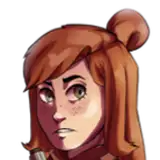
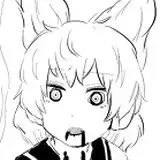
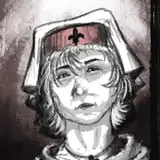
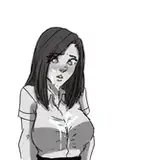
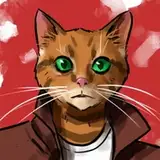
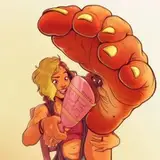
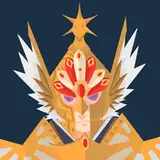
The Talanos are one of the tallest races of men, they have elongated skulls, slender frames, bowed shoulders and long limbs compared to a relatively short torso. Their skin ranges from tanned to pale and their hair and eyes tend to be quite light. In Talanos families in which the Alf blood runs thick, they have what are called “Alf bright” eyes. These are eyes which give off a subtle light of their own, a spark within, like an ember from creation itself. They are also the longest lived of the mortal races, with some living into their fourth century.
Their people once possessed the largest empire ever seen in Concavia. It spanned not only their continent of Talanā, but also it spread onto the coastal areas of neighbouring continents like Evroz, Arbayn, Bujibuyn, Mikinawa and Trenutawa.
Long ago there was a group of Alves (children of the gods) who abandoned the duty they were given of defending the realm of Upergora.
You can read the lore on Upergora here in case you’re not familiar:
“Beyond the north wind lies the fair haven of Upergora. At the heart of this blessed shire, however, lies a fell and grim lair: the Hourglass Stairwell, it is called. This Stairwell was burrowed through the earth by Dhegoma, Swoma, and their children, the Dwalves, with the aim of bridging the inner world of Concavia to the emptiness without, where the dark lord Tàmhas was cast at the end of the Days of Gold.
Long ago, in the Days of Silver, the Warding Mark was cast on the nether mouth of the Stairwell by the gyden Mehter to shut out her children, Swoma and Dhegoma, who had forsook her, outside the world to be with their dark lord, Tàmhas. Mehter then bade her throng of Albes to strive to shut the upper mouth of the Hourglass Stairwell. The throng of Albes hefted the great peak named Merucca from its roots and shut the Stairwell by standing the berg on its head. Mehter then bade her other children’s children, the Alves, to stand watch over the Stairwell and to see that the Warding Mark never be unbound. With her spellcraft, Mehter made what had been a frozen land into a blissful stead.
Upergora was shielded from the north wind on all sides by nine rings of frost-clad peaks that no man might go over. There were four inlets, and beside these watery gates were builded the four great towns: Falias by the inlet named Daityu, Gorias by the inlet named Bhadru, Murias by the inlet named Danwu, and Findias by the inlet named Eridanu. But the mightiest of all of them was Middias, raised atop the skyward roots of Merucca, with its thirty-three ever-watchful high-halls.”
These oath-breaking Alves that approached the Talanos for help were homesick and were trying to find a way back to their heavenly home of Gelh. They requested the aid of the Talanos in the construction of a staircase that they could climb to return home. This staircase was called the bearer, here is some lore on that:
“At the southern end of the great and storied land of Talanā lies one of the most striking sights in all Concavia, the Bearer. Its height was so awesome that it almost reached the ringéd moons of Gelh, to whom the only loftier thing is the sleeping sun god himself.
The Bearer was builded by a wayward band of Alves, now known as the Oath-breakers; for these homesick Alves had forsaken their watch in the northern land of Upergora to wend back to the fair moons of Gelh. There they wished to be joined once again with their beloved Silvern kin, the Albes.
But the Oath-breakers could not raise this spire themselves, so they called upon the folk of that land, the Talanos, for help. The Talanos lent the might of their kingdom in return for wed-lock with their lordly houses and for deeper lore of the shaping of the world and might over the Craft.
Mehter thought ill of the Oath-breakers’ climb to Gelh, and ere it was ended, for she cast a curse upon the Bearer, that not one stair more should be laid to lift its height; though strive all one might, it could not be done.
Now the Bearer stands as a token of an oath broken, of the burden the Alves bear: to watch over Upergora evermore, lest the world fall.
In later days, when the truth was lost, folk came to believe that the spire itself held up the sky, and so the name “the Bearer” took on a new meaning. But with the loss of meaning so too came the loss of lore bound with that meaning, and Talanā fell under the sway of the Dwalves, the dark kin of the Alves and Albes, who strive ever to bow to their dark lord, Tàmhas.
The Dwalves brought the Talanos another side of the Craft through the mingling of blood, and with it, greater might and longer lives. Hidden fellowships of witches fell for the lure of the Dwalves; of all the Talanos, they had the most unquenchable thirst for knowledge and strength. They wormed their way into the high halls of Talanā, rose to rule, and bent the mighty kingdom to the will of their shadowed lords.
Over many life-years, a hidden worship of Tàmhas took root in the heart of Talanā and was suffered to spread beneath the shadowy hand of the Dark-witches. This black fellowship turned the tale of the beginnings upon its head and hailed the dark god Tàmhas not as foe, but as a god wronged. It held that by helping to bind Tàmhas’ soul once more to his body, that is, to Concavia itself, his followers would be led to a better life after death in the new world yet to dawn.
Through the Dark-witches, the Dwalves wrought their will to lay waste to the northern land of Upergora. Their aim was to shatter the warding-mark that held Tàmhas’ soul outside the world’s bounds. But Mehter flew down from Gelh with her host of Albes and withstood them.
The Dark-witches and the Dwalves came so very near to breaking the binding that held Tàmhas beyond the world. To end the war that had brought such wreck to the world, Mehter loosed her Great Flood. The waves swept away the halls and holdings, that they might never again grow so wide or so strong. To see that such might should not rise again, she shaped the land-wights who tear down steads that take too much from the earth.
And with that, so closed the Days of Copper and thus began the Days of Iron. The fallen kingdom of Talanā sank beneath the waves and Mehter, having spent all her store, fared to the sun and shared his everlasting rest; never shall they waken till the end of days be upon us.”
And so the Talanean empire was infiltrated by a shadowy faction of Talanos who were loyal to the Dwalves. They waged a devistating war on Upergora which almost succeeded. This cataclysmic war provoked the last waking goddess/gyden Mehter into taking action and she loosed her great flood. The Dark-witches of the Talanos that had served the Dwalves were transformed into Merefolk as punishment. Now they live beneath the waves as a token of their betrayal to creation.
Here is some lore on the Talanos’ aquatic kin:
“To break the strife that had brought such wreck to the world, Mehter loosed her Great Flood. The waves swept away the halls and holdings that they might never again grow so wide or so strong. Lest such might should rise again, she shaped the land-wights, who tear down steads that take too much from the earth.
As a bane for their foul deeds, the Dark-witches were turned. Mehter doomed them and stripped them of the Craft, so they might never again work spells. Their kin were cast into the sea in the foul shape of Meres. Their legs were turned to fish-tails, their fingers were bound by webs, their skin grew blubbery; their new shape was a token of the wreck they had wrought on the world. When all her might was worn out, Mehter fell into an unending sleep beside Leuada, and so began the lower Days of Iron.
In time, these “Merefolk” took land-dwelling mates, that they might beget children who could walk the dry land and do their bidding where they themselves could not go, as once the Dwalves had done with their forebears. From such mingling came the Meregemong (halflings) and Waymeres (land-meres), and from blood was born a new law.
Among the Merefolk, blood is law. The more Mere-blood one bears, the higher one is held. The shallow-blooded wait on others; the deep-blooded are lords.
Some Mere still bow to Tàmhas. These are called Sirens or Sirenos by the landfolk. But not all Mere follow shadow. Some are called Meremaids and Meremen, and they trade and deal with their far kin, the Talanos, who outlived the Flood and kept to the old ways.”
Now after the Flood, what is left of the Talanos live in the ruins of their once great empire. Their witches maintain the old buildings and preserve any relics they can of the world before the flood.